Ask most warehouse managers what their inventory accuracy rate is and they'll say "pretty good" or "around 95%." Ask them how they measured it and the answer is usually: the annual physical count. That's the problem. A once-a-year count tells you where you ended up — it doesn't tell you how many orders were cancelled, how many customers waited, or how many pickers wasted time searching for stock that wasn't where the system said it was throughout the year. 问大多数仓库经理库存准确率是多少,他们会说"还不错"或者"大概 95%"。问他们怎么测量的,答案通常是:年度实物盘点。这就是问题所在。一年一次的盘点只告诉你最后的结果——它无法告诉你全年有多少订单被取消、多少客户在等货、多少拣货员因为系统显示有货但实际找不到而浪费了时间。 ถามผู้จัดการคลังสินค้าส่วนใหญ่ว่าอัตราความแม่นยำสต็อกเป็นเท่าไหร่ พวกเขาจะบอกว่า "ค่อนข้างดี" หรือ "ประมาณ 95%" ถามว่าวัดอย่างไร คำตอบมักจะเป็น: การนับสต็อกประจำปี นั่นคือปัญหา การนับปีละครั้งบอกคุณว่าลงเอยที่ไหน แต่ไม่บอกว่าตลอดปีมีคำสั่งซื้อยกเลิกกี่รายการ ลูกค้ารอกี่คน หรือพนักงานหยิบเสียเวลาค้นหาสต็อกที่ระบบบอกว่ามีแต่จริงๆ ไม่อยู่ที่นั่นกี่ครั้ง
What Inventory Accuracy Actually Means in Practice 库存准确率在实际运营中意味着什么 ความแม่นยำสต็อกหมายความว่าอะไรในทางปฏิบัติจริง
Inventory accuracy = (number of SKU locations with correct quantity and location in system) ÷ (total SKU locations counted). Here's what different accuracy levels look like when you have 5,000 active SKU locations: 库存准确率 = 系统中数量和位置都正确的 SKU 库位数 ÷ 盘点的 SKU 库位总数。当你有 5,000 个活跃 SKU 库位时,不同准确率意味着: ความแม่นยำสต็อก = จำนวนตำแหน่ง SKU ที่ปริมาณและตำแหน่งในระบบถูกต้อง ÷ จำนวนตำแหน่ง SKU ทั้งหมดที่นับ เมื่อคุณมี 5,000 ตำแหน่ง SKU ที่ใช้งานอยู่:
The jump from 95% to 99.5% cuts your error locations by 80%. That's the difference between a picker who trusts the system and one who double-checks every location before reporting a short-pick. 从 95% 提升到 99.5%,错误库位数量减少 80%。这是拣货员相信系统,还是每次拣货前都要二次确认才敢上报缺货之间的差距。 การกระโดดจาก 95% ถึง 99.5% ลดตำแหน่งผิดพลาดได้ 80% นั่นคือความแตกต่างระหว่างพนักงานที่เชื่อถือระบบกับคนที่ต้องตรวจสอบทุกตำแหน่งก่อนรายงานว่าหยิบไม่ได้
The Real Causes of Inventory Inaccuracy 库存不准确的真正原因 สาเหตุที่แท้จริงของความไม่แม่นยำสต็อก
Managers usually blame theft or mistakes. Those contribute — but they're rarely the main cause. The main causes are systemic: 管理者通常把问题归咎于盗窃或失误。这些有影响——但很少是主要原因。主要原因是系统性的: ผู้จัดการมักโทษการขโมยหรือความผิดพลาด สิ่งเหล่านั้นมีส่วน แต่แทบไม่ใช่สาเหตุหลัก สาเหตุหลักเป็นระบบ:
-
Manual data entry手工录入数据การป้อนข้อมูลด้วยมือ
Any time a person types a quantity instead of scanning it, errors enter the system. Staff type the wrong number, transpose digits, or skip entries entirely when busy. Each manual entry is a chance to create a discrepancy that compounds over time.只要有人手工输入数量而不是扫描,错误就会进入系统。员工输错数字、倒置位数、或在忙碌时根本不录入。每次手工录入都是制造偏差的机会,并随时间累积。ทุกครั้งที่คนพิมพ์ปริมาณแทนการสแกน ข้อผิดพลาดเข้าสู่ระบบ พนักงานพิมพ์ตัวเลขผิด สลับตัวเลข หรือข้ามรายการทั้งหมดเมื่อยุ่ง การป้อนด้วยมือแต่ละครั้งคือโอกาสสร้างความคลาดเคลื่อนที่ทบกันตามเวลา
-
Receiving errors that compound downstream收货错误向下游扩散ข้อผิดพลาดการรับสินค้าที่ขยายลงด้านล่าง
Inaccuracy enters the system at receiving and multiplies from there. A carton counted as 12 units when it actually contains 10 creates a phantom 2-unit surplus that will eventually surface as a discrepancy during picking — potentially weeks or months later.不准确从收货进入系统,然后向下扩散放大。一箱实际 10 件却被计为 12 件,会创造 2 件虚假库存,最终在拣货时浮现——可能在几周或几个月后。ความไม่แม่นยำเข้าสู่ระบบที่การรับสินค้าและขยายจากที่นั่น กล่องที่นับเป็น 12 ชิ้นเมื่อมีจริง 10 ชิ้น สร้างส่วนเกินปลอม 2 ชิ้น ซึ่งจะปรากฏเป็นความคลาดเคลื่อนระหว่างการหยิบ อาจเป็นสัปดาห์หรือเดือนต่อมา
-
Items stored wherever there's space货品随意放在有空位的地方สินค้าถูกเก็บที่ใดก็ตามที่มีพื้นที่
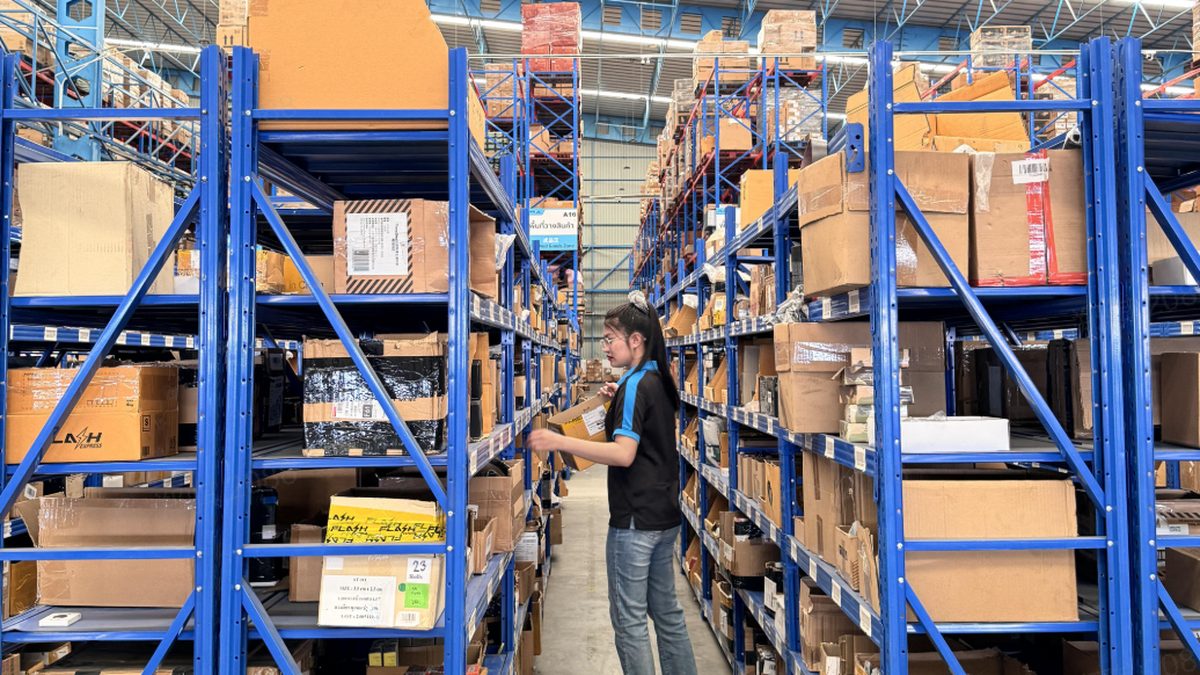
When staff put stock "anywhere there's room" instead of at a designated location, the system location no longer matches reality. No one updates the system record. The stock physically exists but is effectively invisible to the WMS until someone physically finds it.当员工把货"随便找个有位置的地方放"而不是放到指定库位时,系统库位就与现实不符了。没有人更新系统记录。货品实物存在,但对 WMS 来说相当于隐形——直到有人在现场找到它。เมื่อพนักงานวางสต็อก "ที่ใดก็ตามที่มีพื้นที่" แทนที่ตำแหน่งที่กำหนด ตำแหน่งในระบบไม่ตรงกับความเป็นจริงอีกต่อไป ไม่มีใครอัปเดตระเบียนระบบ สต็อกมีอยู่จริงแต่มองไม่เห็นสำหรับ WMS จนกว่าใครจะพบมันในพื้นที่จริง
-
Unrecorded movements — transfers, returns, adjustments未记录的移动——调拨、退货、调整การเคลื่อนไหวที่ไม่ได้บันทึก — การโอน การคืน การปรับ
Stock transfers between locations, returned items re-shelved without being processed, damaged goods moved to a quarantine zone without a system transaction — every unrecorded movement silently breaks the system record. These accumulate invisibly until the next count reveals the damage.库位之间的调拨、退货未经处理就重新上架、损坏货物被移到隔离区却没有系统操作——每一次未记录的移动都在无声地破坏系统记录。这些积累是不可见的,直到下次盘点暴露出来。การโอนสต็อกระหว่างตำแหน่ง สินค้าที่คืนมาวางชั้นใหม่โดยไม่ผ่านกระบวนการ สินค้าเสียหายถูกย้ายไปโซนกักกันโดยไม่มีธุรกรรมในระบบ การเคลื่อนไหวที่ไม่ได้บันทึกทุกครั้งทำลายบันทึกระบบอย่างเงียบๆ สิ่งเหล่านี้สะสมอย่างมองไม่เห็นจนกว่าการนับครั้งถัดไปจะเผยให้เห็นความเสียหาย
The 4 Practices That Get You to 99.5% 做到 99.5% 的 4 个关键做法 4 วิธีที่พาคุณถึง 99.5%
-
1Scan Every Movement — No Exceptions 每次移动必须扫描——无例外 สแกนทุกการเคลื่อนไหว — ไม่มีข้อยกเว้น
The single highest-impact change you can make. Every receive, every put-away, every pick, every transfer, every return must be recorded by scanning a barcode — not by typing a number, not by memory, not by writing it down to enter later. WMS enforces this by making the scan the only way to complete a task. If staff can bypass the scan, they will — especially under pressure. 你能做的单项影响最大的改变。每次收货、每次上架、每次拣货、每次调拨、每次退货,都必须通过扫描条码来记录——不是手工输入数字、不是靠记忆、不是先写下来再录入。WMS 通过把扫描设为完成任务的唯一方式来强制执行。如果员工可以绕过扫描,他们就会绕——尤其是在压力下。 การเปลี่ยนแปลงที่มีผลกระทบสูงสุดที่คุณทำได้ ทุกการรับ ทุกการจัดเก็บ ทุกการหยิบ ทุกการโอน ทุกการคืน ต้องบันทึกโดยสแกนบาร์โค้ด ไม่ใช่พิมพ์ตัวเลข ไม่ใช่จากความจำ ไม่ใช่จดไว้แล้วค่อยป้อนทีหลัง WMS บังคับใช้สิ่งนี้โดยทำให้การสแกนเป็นวิธีเดียวในการทำงานให้เสร็จ ถ้าพนักงานสามารถข้ามการสแกนได้ พวกเขาจะข้าม โดยเฉพาะเมื่ออยู่ภายใต้ความกดดัน
-
2Every SKU Has Designated Locations — No Random Put-Away 每个 SKU 只放在指定库位——不允许随意上架 ทุก SKU มีตำแหน่งที่กำหนด — ห้ามวางสุ่ม
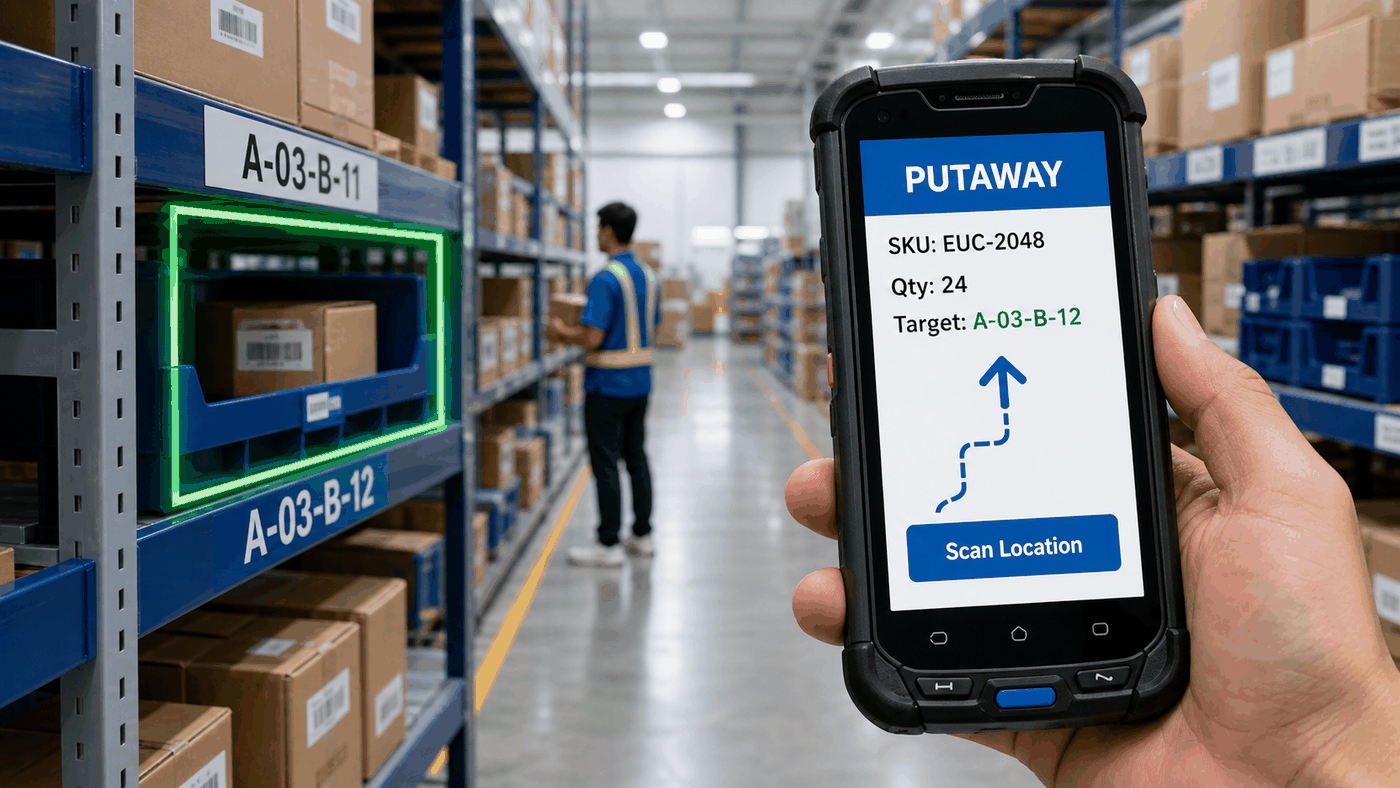
Random storage (put items wherever there's space) destroys accuracy. The fix isn't necessarily "one bin per SKU" — high-velocity SKUs often need a primary pick face plus one or two overflow locations. What matters is that every location for a SKU is registered in the WMS, and staff put away only to those locations. When a picker is directed to A3-04-02, the item is there, every time. WMS enforces this through put-away rules that reject unregistered locations at scan time. 随机存储(货放哪里有位置就放哪里)会摧毁准确率。解决方案不一定是"一个 SKU 只能有一个库位"——高频 SKU 通常需要一个主拣货位加一到两个溢出位。关键是:该 SKU 的所有库位都在 WMS 中登记,员工只能上架到这些指定库位。当拣货员被引导到 A3-04-02 时,货一定在那里。WMS 通过上架规则在扫描时拒绝未登记的库位来强制执行。 การจัดเก็บแบบสุ่มทำลายความแม่นยำ แนวทางแก้ไขไม่ใช่ "หนึ่ง SKU หนึ่งช่องเสมอไป" SKU ที่เคลื่อนไหวเร็วมักต้องการตำแหน่งหยิบหลักบวกหนึ่งหรือสองตำแหน่งสำรอง สิ่งสำคัญคือทุกตำแหน่งของ SKU นั้นลงทะเบียนใน WMS และพนักงานจัดเก็บเฉพาะในตำแหน่งที่กำหนดเท่านั้น เมื่อพนักงานหยิบถูกนำไปที่ A3-04-02 สินค้าต้องอยู่ที่นั่นทุกครั้ง WMS บังคับใช้ผ่านกฎการจัดเก็บที่ปฏิเสธตำแหน่งที่ไม่ได้ลงทะเบียนเมื่อสแกน
-
3Replace Annual Counts With Daily Cycle Counting 用每日循环盘点替代年度大盘点 แทนที่การนับประจำปีด้วยการนับวนรายวัน (Cycle Counting)
Cycle counting means counting a portion of your inventory every day, so that every location gets verified on a regular schedule — without shutting down the warehouse. It catches errors fast, when they're easier to investigate. Annual counts find errors months after they happened; cycle counts find them within days. 循环盘点是指每天盘点一部分库存,使每个库位按固定周期被验证——不需要关仓。它能快速发现错误,而此时还比较容易追查原因。年度大盘点在错误发生几个月后才能发现;循环盘点在几天内就能发现。 Cycle Counting หมายถึงการนับสต็อกส่วนหนึ่งทุกวัน เพื่อให้ทุกตำแหน่งได้รับการตรวจสอบตามตารางปกติ โดยไม่ต้องปิดคลังสินค้า มันตรวจจับข้อผิดพลาดอย่างรวดเร็วในขณะที่ยังง่ายต่อการตรวจสอบ การนับประจำปีพบข้อผิดพลาดหลังเกิดขึ้นหลายเดือน Cycle Count พบภายในไม่กี่วัน
Count type盘点类型ประเภทการนับ Frequency频率ความถี่ Which locations哪些库位ตำแหน่งใด A-class (fast movers)A 类(高动销)ประเภท A (ขายเร็ว) Every 30 days每 30 天ทุก 30 วัน Top 20% of SKUs by volume按出货量排名前 20% 的 SKUSKU 20% แรกตามปริมาณ B-class (mid movers)B 类(中动销)ประเภท B (ขายปานกลาง) Every 60 days每 60 天ทุก 60 วัน Middle 30% of SKUsSKU 排名中间 30%SKU 30% กลาง C-class (slow movers)C 类(低动销)ประเภท C (ขายช้า) Every 90–180 days每 90–180 天ทุก 90–180 วัน Bottom 50% of SKUsSKU 排名末尾 50%SKU 50% ล่าง Triggered count触发盘点การนับที่ถูกกระตุ้น After any discrepancy found发现任何差异后หลังพบความคลาดเคลื่อนใดๆ That location + adjacent bins该库位及相邻库位ตำแหน่งนั้น + ช่องวางใกล้เคียง -
4Get Receiving Right — Errors Compound From the Start 把收货做对——错误从起点开始叠加 ทำการรับสินค้าให้ถูกต้อง — ข้อผิดพลาดทบตั้งแต่ต้น
Inaccuracy almost always enters the system at receiving. An item received wrong propagates through every subsequent transaction — it's picked incorrectly, shipped incorrectly, and eventually generates a customer complaint or return. Receiving discipline means: count against the PO before putting away, scan every item, reject or quarantine mismatches, and never bypass receiving to put stock directly on the shelf. 不准确几乎总是从收货环节进入系统。一个收货错误的货品会在每一笔后续交易中传播——被错误拣货、错误发货,最终产生客户投诉或退货。收货纪律意味着:上架前对照采购单盘点,逐件扫描,不匹配的隔离处理,绝不绕过收货流程直接把货上架。 ความไม่แม่นยำเกือบทุกครั้งเข้าสู่ระบบที่การรับสินค้า สินค้าที่รับผิดแพร่กระจายผ่านทุกธุรกรรมต่อมา ถูกหยิบผิด จัดส่งผิด และสุดท้ายสร้างการร้องเรียนของลูกค้าหรือการคืนสินค้า วินัยการรับสินค้าหมายถึง: นับเทียบ PO ก่อนจัดเก็บ สแกนทุกชิ้น กักกันสิ่งที่ไม่ตรงกัน และไม่เคยข้ามการรับสินค้าเพื่อวางสต็อกบนชั้นวางโดยตรง
Why 99.5% Is Hard Without a WMS 为什么没有 WMS 就很难做到 99.5% ทำไม 99.5% ถึงยากโดยไม่มี WMS
You can implement all four practices manually — but enforcing them without a system requires constant management attention and still relies on human compliance. A WMS changes the equation by making compliance the path of least resistance: 这四个做法都可以手工执行——但没有系统来强制执行,需要管理层持续投入注意力,而且仍然依赖人为合规。WMS 改变这个等式,让合规成为阻力最小的路径: คุณสามารถใช้ทั้งสี่วิธีด้วยมือ แต่การบังคับใช้โดยไม่มีระบบต้องการความสนใจจากฝ่ายบริหารอย่างต่อเนื่อง และยังต้องพึ่งพาการปฏิบัติตามของมนุษย์ WMS เปลี่ยนสมการโดยทำให้การปฏิบัติตามเป็นเส้นทางที่มีแรงต้านน้อยที่สุด:
- Can't complete a task without scanning — the system won't let the transaction proceed without a valid scan, so staff have no choice but to scan不扫码就无法完成任务——系统不允许没有有效扫描就继续操作,员工别无选择,只能扫码ไม่สามารถทำงานเสร็จโดยไม่สแกน — ระบบไม่อนุญาตให้ดำเนินการโดยไม่มีการสแกนที่ถูกต้อง พนักงานจึงไม่มีทางเลือกนอกจากสแกน
- Wrong location rejected at put-away — scan the wrong bin and the WMS flags it immediately, before the item is stored in the wrong place上架时错误库位被拒绝——扫描错误库位时 WMS 立即报警,在货品存入错误位置之前ตำแหน่งผิดถูกปฏิเสธที่การจัดเก็บ — สแกนช่องผิดและ WMS จะแจ้งเตือนทันที ก่อนที่สินค้าจะถูกเก็บในที่ผิด
- Discrepancies flagged during picking — when a picker can't find stock at the directed location, the short-pick is recorded in real time, triggering an immediate cycle count拣货时差异被标记——当拣货员在指定库位找不到货物时,缺货即时记录,立刻触发循环盘点ความคลาดเคลื่อนถูกตั้งค่าสถานะระหว่างการหยิบ — เมื่อพนักงานหยิบไม่พบสต็อกที่ตำแหน่งที่กำหนด การหยิบขาดถูกบันทึกแบบเรียลไทม์ ทริกเกอร์ Cycle Count ทันที
- Every movement has a timestamp and user ID — when a discrepancy is found, you can trace exactly when it happened and who was involved, making root cause analysis possible instead of guesswork每次移动都有时间戳和操作员 ID——发现差异时,可以精确追溯发生时间和涉及人员,使根因分析成为可能,而不是靠猜测ทุกการเคลื่อนไหวมี timestamp และ ID ผู้ใช้ — เมื่อพบความคลาดเคลื่อน คุณสามารถระบุได้ว่าเกิดขึ้นเมื่อใดและใครเกี่ยวข้อง ทำให้วิเคราะห์สาเหตุรากได้จริงแทนการเดา
99.5% accuracy isn't a standard you reach and hold effortlessly. It's a standard you build a system to defend — and then defend it every day. 99.5% 的准确率不是一个你轻松达到就能保持的标准。它是一个你构建系统来维护的标准——然后每天坚守它。 ความแม่นยำ 99.5% ไม่ใช่มาตรฐานที่คุณบรรลุและรักษาได้โดยไม่ต้องพยายาม มันคือมาตรฐานที่คุณสร้างระบบเพื่อปกป้อง และปกป้องมันทุกวัน